


ELCA Newsletter – August 2026
ELCA Trend Award 2026 at GaLaBau, Hunter Industries, the Committee of Firms excursion to Santiago de Compostela, Bruns Nursery’s 150th anniversary, the Birds and Habitats Directives stress test, the ELCA Exchange Programme and more — the August 2026 newsletter of the European Landscape Contractors Association.
Welcome to this new edition of our digital newsletter. With nice to know and need to know about our association and our activities.
In this edition
- ELCA Trend Award 2026 Ceremony at GaLaBau
- Hunter Industries at GaLaBau 2026: smarter irrigation, greater efficiency
- Looking forward to the CoF-professional excursions in Santiago de Compostela!
- Conference proceedings World Congress of Building Greening 2026 now available
- Congratulations to Bruns Pflantzen: 150th anniversary
- ELCA takes part in public consultation stress test Birds and Habitats Directives
- ELCA Exchange Programme: Maria Roihu at M. van der Spek GROEP
- Welcome to our new member of the ELCA Committee of Firms!
- Data maturity (in landscaping): the real question isn’t which software to buy
- Agenda events
- Products and services of our ELCA Associate CoF-members
ELCA Trend Award 2026 Ceremony at GaLaBau
On Tuesday September 15th, 2026, ELCA organizes in close cooperation with our German national member Bundesverband Garten-, Landschafts- und Sportplatzbau (BGL) and Nuremberg Messe, the ELCA Trend Award 2026 Ceremony at GaLaBau. During the ceremony, the winner of this prestigious innovation award will be announced. All ELCA-members, and those who are interested, are warmly invited to join this ceremony.
Theme: Green Transformation
For this edition ELCA asked our French national member Unep to select project nominations in the category “Green Transformation”. Unep presented five unique and very interesting projects to the Trend Award jury. During site visits, the jury assessed amongst others the design of the project, the quality of realisation according to the design, the choice of planting material, the sustainability of the applied materials, the cooperation between project partners during the realisation of the project, the state of the maintenance and the interaction with the client and project users.
ELCA-President Henrik Bos: “We are very happy with the high quality of the nominees and look forward sharing this ‘Green Transformation’ innovation trend with you as a new dimension in our professional expertise. The nominated projects show how green solutions become the carrier for the redevelopment of the area and how green solutions are prioritized in the planning and design process.”
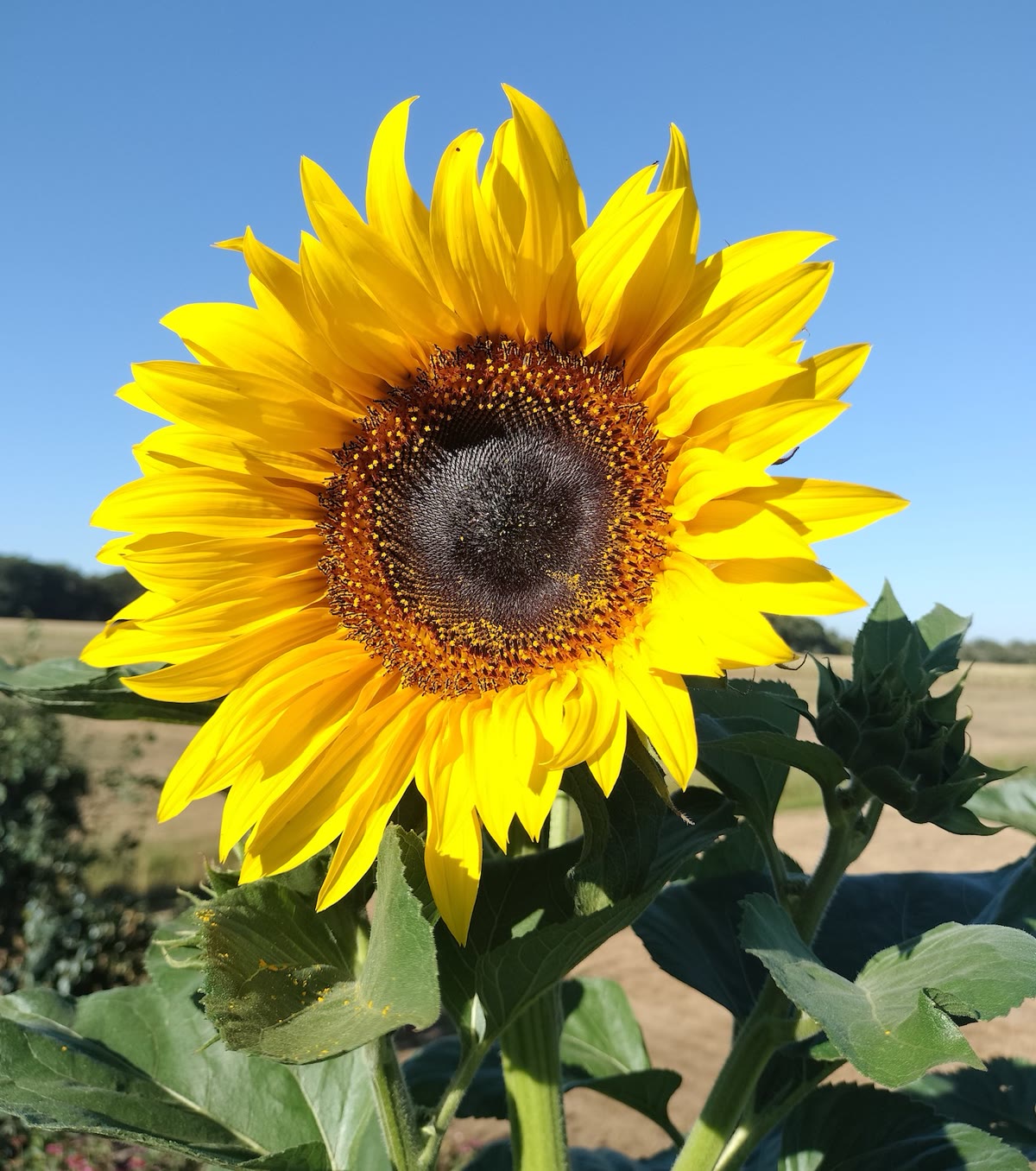
📅 Date: Tuesday, 15 September 2026, from 12.00 CET
📍 Venue: GaLaBau Experten Forum, Hall 3A, stand number 111 — Nuremberg
Free entrance tickets
With many thanks to our German national member BGL, you have the possibility to order free entrance tickets for the GaLaBau trade fair. Please use the code GB2026ELCA. Further support is available at galabau.de/anleitung-gutschein.pdfx.
Hunter Industries at GaLaBau 2026: smarter irrigation, greater efficiency

Our associate Committee of Firms member Hunter Industries will be exhibiting at GaLaBau 2026 in Nuremberg, where they look forward to meeting landscape professionals from across Europe and presenting their latest irrigation solutions. For 45 years, Hunter has been developing reliable, innovative technologies that help professionals manage water more efficiently. Today, the focus remains clear: smarter irrigation, greater efficiency.
At GaLaBau, visitors will discover solutions for a wide range of applications, including innovative irrigation for green spaces and efficient irrigation for golf and sports facilities. Hunter will also showcase scalable wireless solutions for irrigation management, designed to provide greater flexibility in both new installations and system upgrades. These technologies help simplify installation, improve system control and support more efficient water use, making them particularly valuable for landscape professionals managing increasingly complex irrigation projects.
45th anniversary of Hunter
GaLaBau will also be a special occasion for Hunter as the company celebrates its 45th anniversary, marking more than four decades of innovation, product development and commitment to the irrigation industry.
We invite all ELCA-members attending the show to visit the Hunter team, explore the latest solutions and discover how intelligent irrigation can help create healthier, more efficient and more sustainable green spaces. Visit Hunter Industries at Hall 4, Stand 34.
Looking forward to the CoF-professional excursions in Santiago de Compostela!
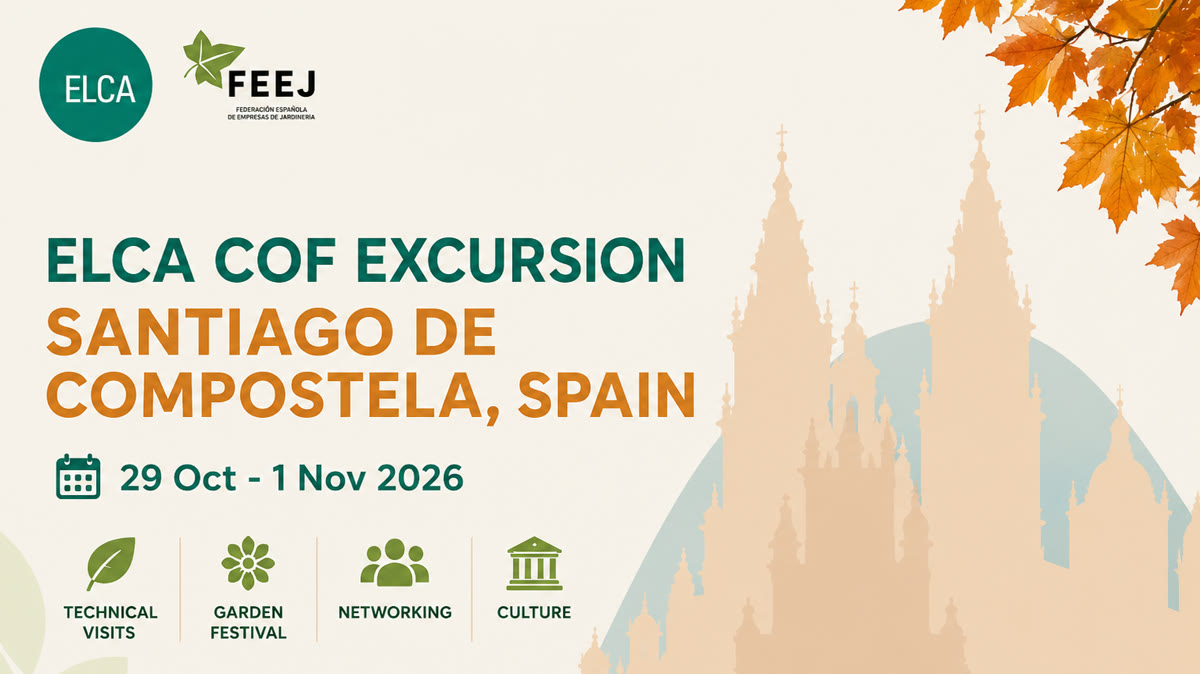
With only two months to go, we are already looking forward to the upcoming professional excursions of the ELCA Committee of Firms. From October 29th till November 1st, 2026, Santiago de Compostela is the place to be! Our Spanish colleagues of FEEJ have prepared a great program in which we will discover the state of the art of landscape gardening in this historical city and enjoy the kind Galician hospitality.
Registration for joining this event is still possible, but we recommend you to arrange this as soon as possible to guarantee hotel availability and to make sure that our colleagues can prepare everything on time. The registration will only be confirmed when both the online registration and payment have been successfully completed.
If you might have questions or need assistance, please contact Secretary-General Egbert Roozen by mail [email protected] or phone (+32) 468 35 11 91. We are looking forward welcoming you in Santiago de Compostela!
Conference proceedings World Congress of Building Greening 2026 now available
From June 9th till 11th, 2026, the World Congress of Building Greening took place in Berlin. Many interesting speakers shared their visions and ideas about how we can boost green buildings and environments. One of the main speakers was Mr Thomas Banzhaf, President of our German national member Bundesverband Garten-, Landschafts- und Sportplatzbau (BGL). He welcomed the congress participants and highlighted in his speech the opportunities for building green. ELCA Secretary-General Egbert Roozen explained during a workshop on European Lobby what his work in Brussels means and what aims he wants to achieve for the green sector. The World Congress of Building Greening 2026 was attended by over 700 participants.
The conference proceedings, which include all submitted abstracts of the presentations, contributions from poster presenters, and other interesting content, are now available and can be accessed digitally. There you will also find a photo gallery and videos from the World Congress.
Congratulations to Bruns Pflantzen: 150th anniversary
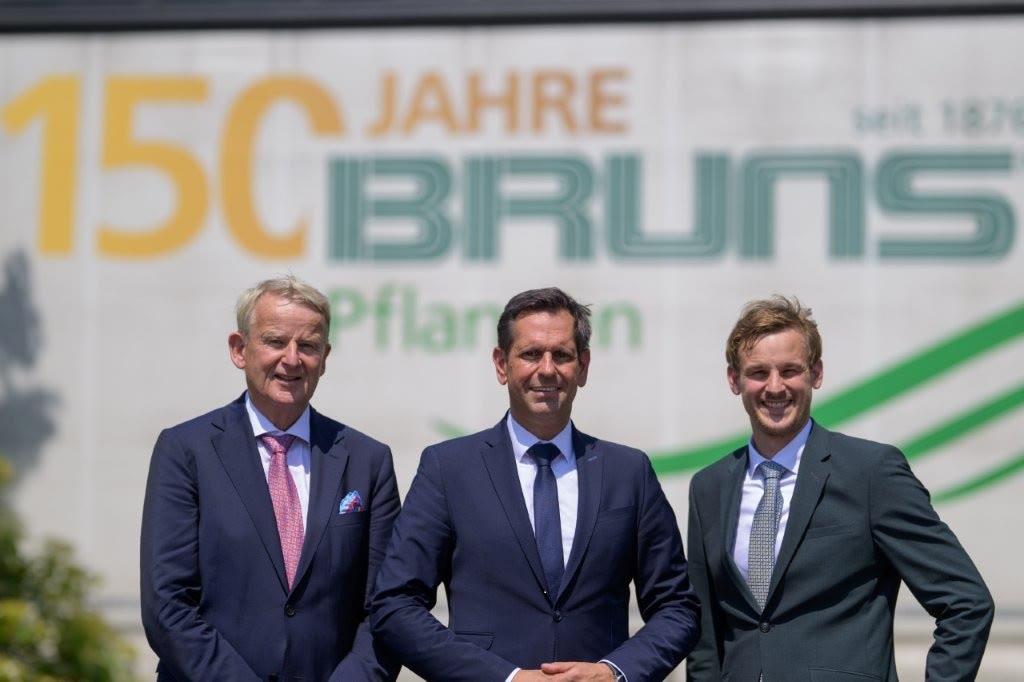
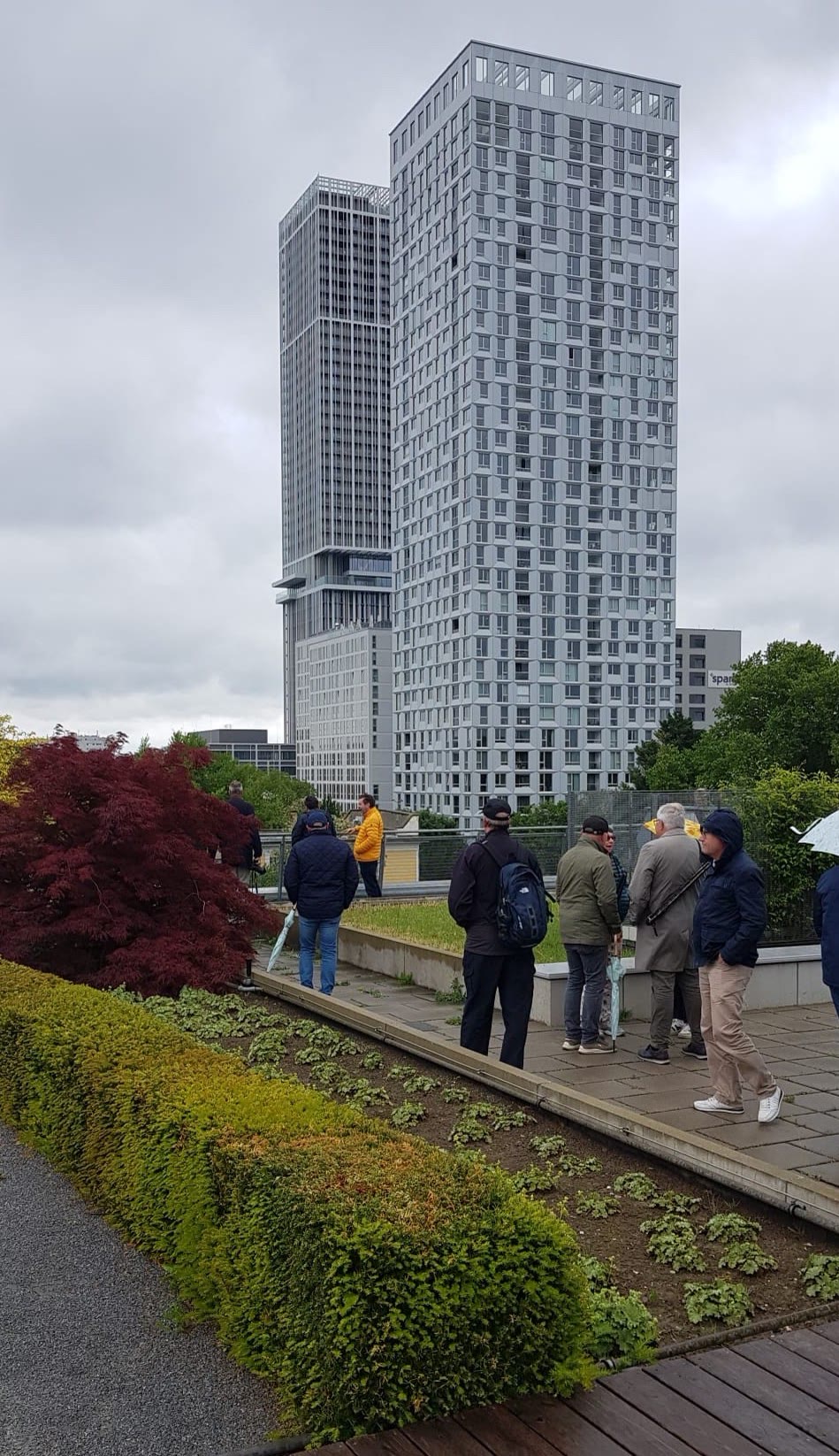
Bruns Nursery, member of the ELCA Committee of Firms, celebrated its 150th anniversary with a grand ceremony on Friday, 19 June 2026. Around 900 guests from across Europe, the USA, Japan and South Africa gathered at the site in Bad Zwischenahn, Lower Saxony. Horticultural and landscaping firms, landscape architects, town planners and garden centre owners – in short, the ‘who’s who’ of the green sector – came together in Bad Zwischenahn, alongside prominent figures from the worlds of business, politics and public administration.
Lower Saxony’s Minister-President, Olaf Lies, is the guest of honour and delivers the keynote speech. In his laudatory address, he pays tribute to the significance of this tree nursery, now run by the fifth generation of the family: “Since 1876, Bruns Nursery has developed over generations – through entrepreneurial courage, a high level of expertise and great passion – from a small commercial nursery into one of Europe’s leading tree nurseries.” He described the company’s 150-year history as extraordinary and offered his warmest congratulations. Lies continued: “Around 350 dedicated staff members, the highest quality standards and the combination of down-to-earth tradition with state-of-the-art technology make Bruns Nursery a reliable partner for major projects worldwide, from the Autostadt in Wolfsburg to the Champs-Élysées in Paris. At the same time, the nursery is, in the truest sense of the word, deeply rooted in the region and actively involved in the community beyond the company itself. These are the best conditions for continued success in the future.”
1876
The company has developed steadily since its beginnings in 1876 as a small commercial nursery specialising in rhododendrons, ornamental shrubs and conifers, founded by Dietrich-Gerhard Bruns. His son Johann expanded the business, and the first illustrated catalogue was published as early as 1913. After the First World War, the focus shifted to the cultivation of rhododendrons, which, with 20,000 grafted plants, soon became Bruns’s hallmark. By 1929, Bruns, with 100 employees, was already one of Germany’s largest mail-order businesses. The sons Erich and Wilhelm, both trained nurserymen, joined the business as the third generation. After the end of the Second World War, the nursery was developed further with great vigour. The range was consistently expanded to include many new ornamental trees and shrubs, as well as a wide selection of deciduous and coniferous trees and shrubs. The export business began in the 1970s. By the mid-1980s, Bruns Nursery was already supplying all European countries; by the 1990s, it had grown to employ around 200 staff, and today the nursery employs 350 people. As a personal hobby, Wilhelm Bruns began breeding his own new rhododendron varieties in the 1950s – his great passion – for which many patrons, such as Richard von Weizsäcker and Frank-Walter Steinmeier, were found.
Jan-Dieter
From 1977, his son Jan-Dieter Bruns took over the running of the business, following extensive training at home and abroad and a degree in horticulture. As well as public sector clients, Bruns supplied gardening and landscaping firms, garden centres and large industrial companies. “This created a special dynamic,” says Bruns. From 1990, when the nursery sector also came under greater economic pressure, the company ceased its own propagation and began purchasing nursery stock from reputable suppliers, whilst restructuring the business from 10 operational units to 4 large operational units. This was complemented by a modern fleet of machinery, a sophisticated management control system and state-of-the-art IT. “Thanks to our extensive international activities, exports now account for around 40 per cent of our business. Following German reunification, new markets were also opened up in Eastern Europe.
Next generation
For several years now, gifted green networker Jan-Dieter has been sharing his extensive network of contacts with his eldest son, Jan-Gerd, who has been serving on the management board alongside Christoph Kluska since July 2025. This ensures that the passion for plants is carried on into the fifth generation. Together, they have been dedicating themselves for years to important issues such as sustainability and climate change. “Our high-quality plants have long been produced in accordance with ecological, environmentally conscious and sustainable principles,” says Jan-Gerd Bruns. Bruns also produces a wide range of so-called ‘trees of the future’. Thanks to their characteristics, these trees cope well with changing climatic conditions. Examples include the hop beech, the monkshood tree, the dwarf oak, the field maple and the leather-pod tree.
ELCA warmly congratulates Bruns Pflantzen with its 150st anniversary and the impressive jubilee celebration. We wish you all the best for the future and appreciate your great efforts in the exchange of your professional expertise on trees and planting material with our members very much!
ELCA takes part in public consultation stress test Birds and Habitats Directives
The Birds and Habitats Directives (BHDs) are the cornerstone of EU biodiversity policy on which the Natura 2000 network, the largest coordinated network of protected areas in the world, is built. The two Directives provide the flagship legislative framework for all EU countries to protect the most valuable and threatened biodiversity. They provide a stable and well-established framework, supported by consistent implementation practice. The European Commission has launched a stress test of the Birds and Habitats Directives „to assess whether the directives remain relevant, proportionate, and fit to achieve their objectives in a cost-efficient way, including by identifying opportunities to reduce unnecessary administrative burden”. As part of the stress test, a public consultation has been launched on which ELCA has reflected.
While reducing unnecessary administrative burdens is a legitimate objective, an assessment framed narrowly through this lens risks overlooking the broader role of the directives in safeguarding natural capital, reducing environmental risks and supporting long-term economic resilience. It reinforces a flawed narrative that portrays environmental and nature legislation as “red tape”, rather than recognising it as an essential safeguard and foundation for the EU’s long-term competitiveness.
Fit for purpose but challenges remain
The 2016 Fitness Check of the BHD already concluded that both directives were fit for purpose. That conclusion remains valid today. The primary challenges continue to lie in implementation, financing and effective delivery. In this context, the stress test should focus on identifying remaining implementation barriers, resource needs, and examples of good practice, rather than considering to reopen the legislation itself.
ELCA underlines that Europe’s economy depends on healthy natural ecosystems. Water, fertile soils, pollination, climate regulation and functioning ecosystems support economic activity across a wide variety of sectors, including the landscape garden sector.
ELCA Exchange Programme: Maria Roihu at M. van der Spek Groep
Estonian trainee Maria Roihu, from Kivisilla OÜ, recently completed an ELCA Exchange placement at M. van der Spek GROEP in the Netherlands. During her stay, she worked with the Dutch crew on daily garden construction and maintenance jobs.
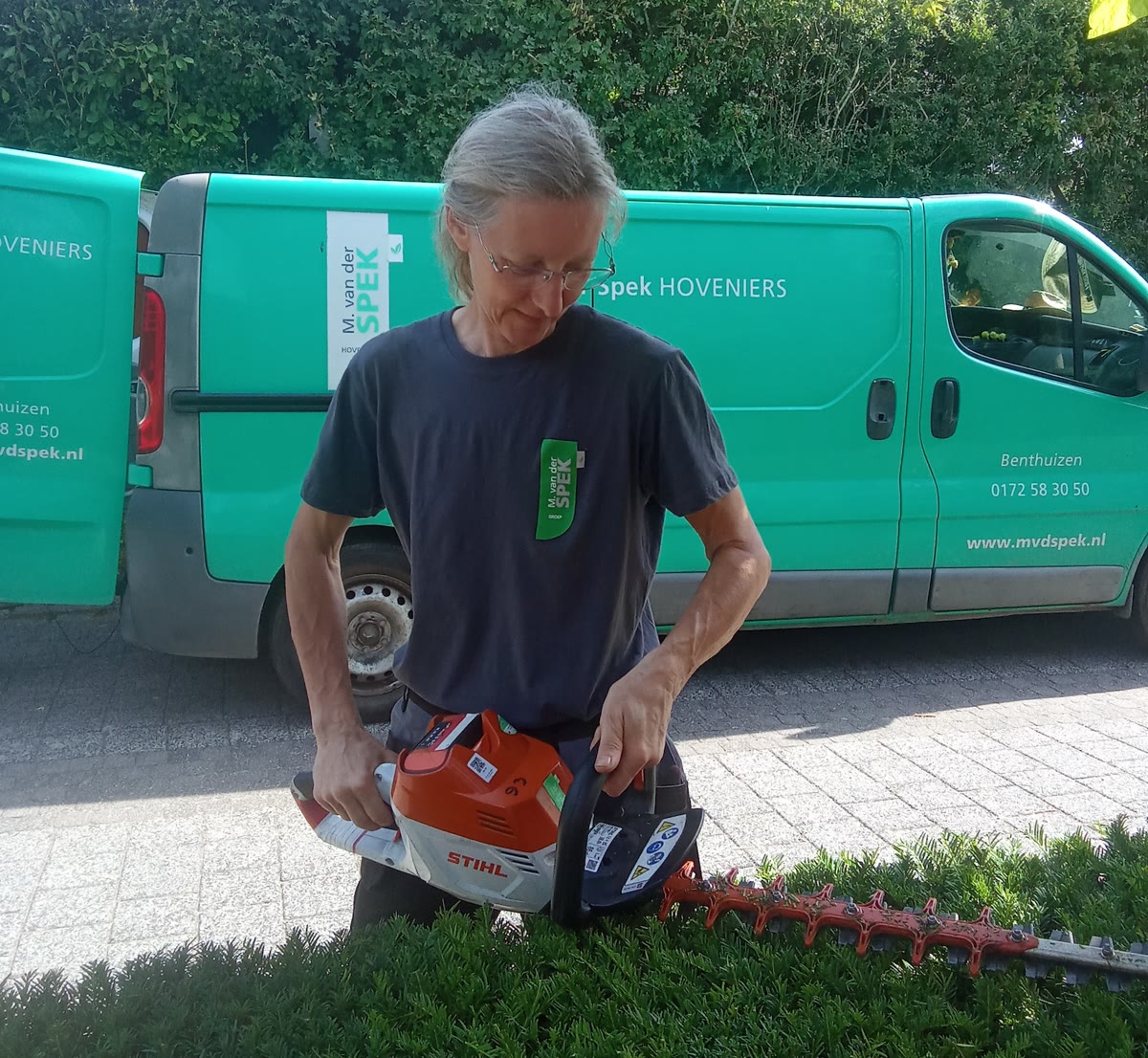
Illustration: Maria Roihu working during her ELCA Exchange
The main takeaway for Maria was seeing how large-scale contractor runs day to day. „The company size was enormous compared to my local one, so I had the opportunity to see how a big company works on an every day basis,” Maria said. „They have a very supportive working environment.”
The team at M. van der Spek GROEP noted her practical skills, initiative and how quickly she picked up Dutch tool setups, plant choices and daily site routines. The exchange placement wrapper up with both sides taking away useful insights into cross-border site operations.
The ELCA Exchange Programme is open to all member firms. It gives your staff hands-on experience with how peers across Europe and the world organise crews, manage logistics and handle different site conditions. For host businesses, it brings in fresh perspective, extra hands during busy periods and direct ties with foreign contractors.
If your company wants to host a trainee or send an employee on a placement, email [email protected] to get started.
Welcome to our new member of the ELCA Committee of Firms!
We are very grateful for the fact that our European and international network of the ELCA Committee of Firms is growing continuously! The participation of our company members, Business Seat members and associate members, makes the exchange on opportunities in our green business case so valuable!
With great pleasure we welcome the following new company member at the ELCA Committee of Firms:
- Germany: Naturgartenprojekte, Frank Staupendahl e.K.
Thank you very much for your great involvement! We hope to welcome more members at the Committee of Firms in the coming period. Like to know more about the memberships? Contact Egbert Roozen by mail: [email protected].
Data maturity (in landscaping): the real question isn’t which software to buy
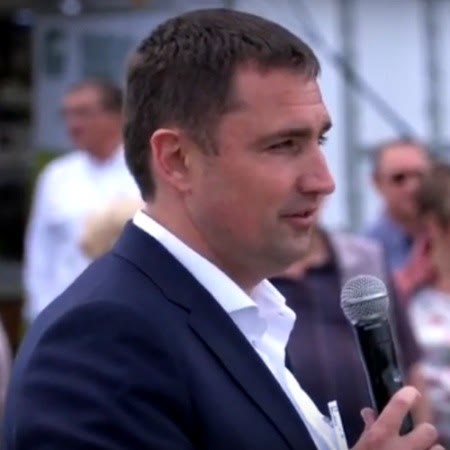
Illustration: Yves Heirman
Article by Yves Heirman, director of our Belgian national member Pro4Green
From fragmented, obligation-driven data use to a question-led data ecosystem for entrepreneurship and green public value. Many entrepreneurs in landscaping and green space maintenance ask a very practical question: which software should I buy?
I hear this almost every day and honestly, I get it. Professional landscapers are often over-demanded and caught in the middle of a disruptive shift. The job itself is changing. What once began as simple task interventions, like mowing a lawn, trimming a hedge or handling a simple installation or renovation is growing into something far broader, namely the full management of projects, people and the planet.
In this sector, entrepreneurs are expected to plan jobs, follow up on sites, keep records, manage staff, issue invoices, make reports and keep up with new regulations, all at once. No wonder digitalization often doesn’t feel like progress. It feels like one more administrative layer on top of a day that’s already packed.
Needs
But that’s exactly where I think we’re missing the point. Software isn’t the first question. The better one is: what do we actually need to know in order to make better decisions? That’s the real starting point of data maturity. That’s what my report, „Data maturity in landscaping and green space maintenance,” is all about. The problem isn’t a lack of data. The sector already produces a lot of it. Customer data, quotations, job planning, photos, invoices, payroll, supplier data, material use, maintenance schedules, public green asset inventories, GIS layers, tender files, citizen reports, inspection data, it all exists. The problem is that it’s fragmented, obligation-driven and underused.
Connection
A company may know the invoice value of a maintenance contract, but not the recurring overrun pattern behind it. A planner may know which crew went to which site, but not how much travel loss, waiting time or material waste was hidden in the job. A municipality may know where its trees are, but not always connect species choice, maintenance history, water stress, heat mitigation, citizen feedback and budget priorities. A sector organisation may know that digitalisation matters, but still lack a shared language to describe how mature companies, municipalities and partners really are.
Question-led
So the central question shouldn’t be whether data is a structural problem in the sector. The more useful question is: how can the sector move from fragmented, obligation-driven data use toward a question-led data ecosystem that strengthens entrepreneurship, improves professional service delivery, and contributes to measurable green outcomes for society? That shift changes the whole conversation. It moves the debate away from „which tool?” and toward „which decisions?”
What that means, per actor?
- For entrepreneurs, it means using data to improve quote-to-job conversion, planning, margin control, estimate-versus-actual learning, route efficiency, material use, customer retention, safety and rework reduction.
- For municipalities, it means treating green space as infrastructure. Trees, planting beds, lawns, water-sensitive landscapes and biodiversity corridors aren’t just aesthetic assets, they’re living infrastructure, and they need inventories, condition follow-up, intervention history, maintenance logic, investment logic and outcome indicators.
- For subsidised economy actors, it means treating simple field data not as a burden, but as a lever for better training, inclusion, work quality, service continuity and transition to regular economy.
- For policymakers, it means recognising that green policy can’t be judged only by the number of plans, reports or subsidies. The real value lies in knowing whether interventions actually survive, whether public money is well targeted, and whether green space genuinely contributes to climate adaptation, biodiversity, water management, public health and quality of life.
Four levels of maturity
- Level 1: ad hoc — Barely any structured data use. Information lives in memory, on paper, in WhatsApp photos, disconnected spreadsheets or individual experience.
- Level 2: compliance-driven — Data gets collected because something has to be reported, invoiced, documented or proven.
- Level 3: own-data analysis — The organisation starts using its own data to improve planning, cost control, service quality, safety, customer value or operational decisions.
- Level 4: information-need-led — The organisation first defines the question it needs to answer, then designs data capture, quality, governance and analytics around that question.
The gap between Level 2 and Level 3 is the crucial one. At Level 2, data proves the work happened. At Level 3, data helps the organisation learn from what happened. At Level 4, data is designed before the work starts, because the organisation already knows what it will need to know afterward.
That’s the real shift.
Agenda events
In your daily practice, your agenda fills itself very quickly with all kinds of activities. But there are things, you don’t want to miss. So make reservations in your agenda for the following events:
- 15–18 September 2026 — GaLaBau, Nuremberg
- 6–8 October 2026 — Iberflora, Valencia, Spain
- 29 October – 1 November 2026 — ELCA Committee of Firms Professional Excursion, Spain
- 9–12 February 2027 — Hungarian Garden Days
- March – September 2027 — Green Expo Yokohama, Japan
Did we miss an event that you think should be in this agenda? Please let us know. Mail to [email protected].
Products and services of our ELCA Associate CoF-members
Interested in the products and services of our associate members of the ELCA Committee of Firms? Check the following websites and see how they can support you:
- LOXAM — based in different European countries; on the website you can choose the country where you are based
- Hunter Irrigation
- Avant Tecno
We hope this digital newsletter gave you a lot of information and inspiration. We wish you a nice day and keep ourselves recommended for your feedback and suggestions. Thank you to ELCA Board member Lutze von Wurmb for the pictures in this newsletter!
ELCA is the European Landscape Contractors Association. Our aim is to promote co-operation as well as the exchange of information and experience in Europe. Est 1963. — elca.info